
Loading...
Serving Statesville, NC and surrounding areas. (980) 759-0506
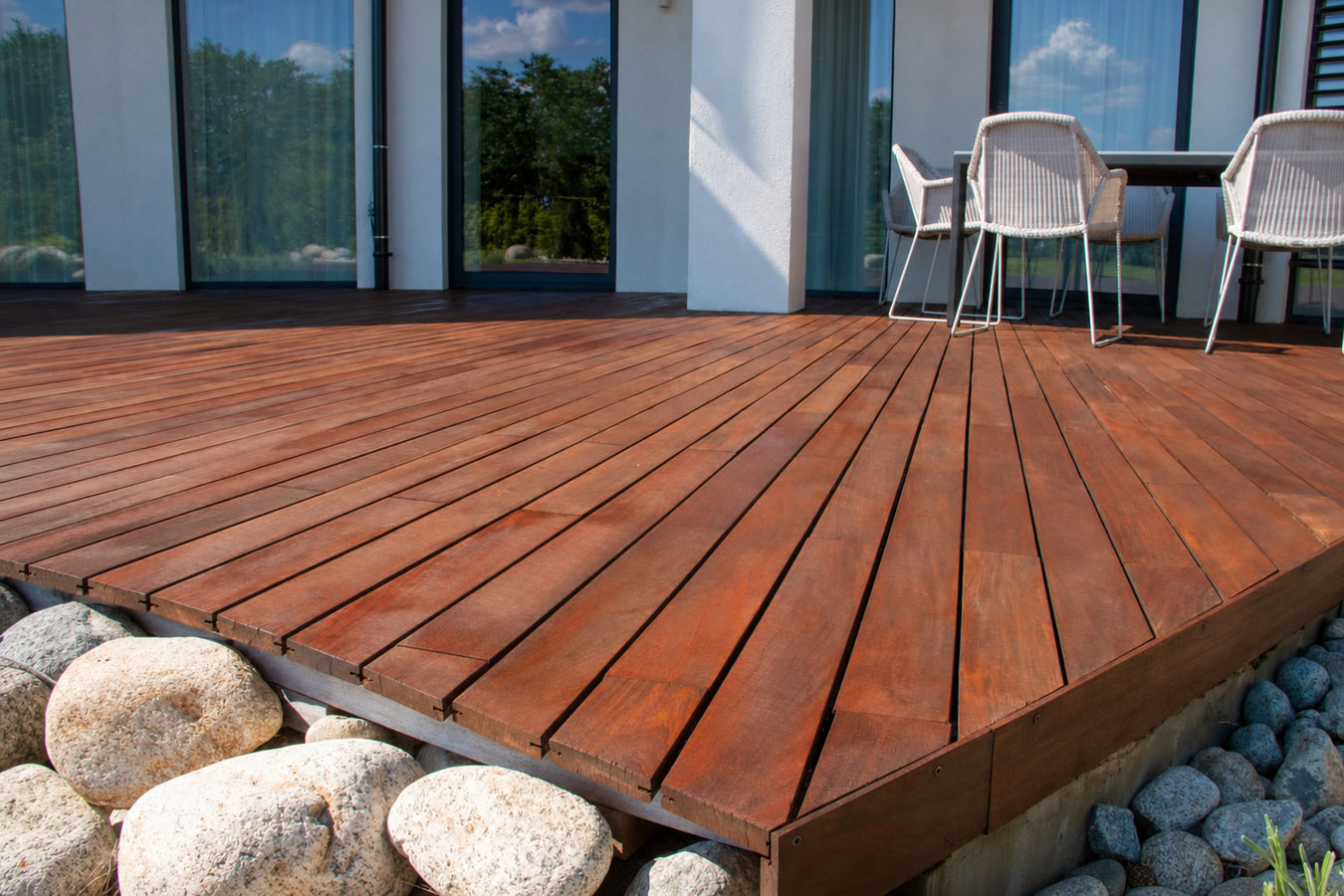
A pressure-treated deck built right - with deep footings, proper permits, and solid framing - will serve your family for decades in Statesville's climate. We give you a written estimate before we touch a shovel.
Pressure-treated wood deck construction in Statesville means setting concrete footings, building a structural frame from PT lumber, and laying deck boards on top, with most residential decks taking three to seven working days of active construction after permits are approved.
Pressure-treated lumber is regular wood that has been treated under high pressure with preservatives that penetrate deep into the wood fibers - which is why it resists rot, insects, and moisture far better than untreated pine or cedar. It is the most common choice for outdoor decks in North Carolina because it holds up well in the Piedmont's combination of humid summers and wet winters. If you are weighing whether wood or composite is the right fit, our cedar wood deck construction page covers the premium natural wood alternative for homeowners who prefer cedar's look and character.
A properly built PT deck can last 25 to 40 years. The biggest factors are the quality of construction - especially the footings and ledger board connection - and how consistently you clean and seal the wood every couple of years. A deck built right from the start needs only basic maintenance to hold up through decades of Statesville weather.
If your back door opens onto a small stoop or bare ground, you are missing one of the most practical upgrades a Statesville home can have. The Piedmont's long outdoor season - comfortable weather from April through October - means a well-built deck gets used far more than most homeowners expect.
Walk your deck and pay attention to how it feels underfoot. If boards flex more than they should or show dark, crumbling wood fibers, rot has started. In Statesville's humid summers, rot spreads faster than homeowners expect - what looks like one bad board often turns out to be several once a contractor pulls them up.
Grab your deck railing with both hands and push firmly. If it moves more than a small amount, the connection between the post and deck frame has weakened from rot, improper installation, or years of seasonal wood movement in Statesville's climate. A loose railing is a safety issue, not just a cosmetic one.
Real estate transactions in Iredell County increasingly involve buyers who ask specifically about permits for outdoor structures. An unpermitted deck, or one nearing the end of its life, can give buyers a reason to negotiate down or walk away. Replacing it now can return more than its cost at closing.
We handle the full scope of a PT deck project - from permit application through the final inspection walkthrough. The critical details are the ones you cannot see after the deck is finished: footings dug to the right depth for Iredell County's clay soil, a properly attached ledger board at the house, joists hung with galvanized hardware, and deck boards spaced to allow water to drain rather than pool. These are the things that determine whether a deck still feels solid in year 15 or starts to wobble in year 5. Once the structure is complete, our deck staining and sealing service can help you protect the new wood after it has had time to dry out and is ready for its first finish.
Pressure-treated lumber comes in different grades for different applications - ground-contact lumber for posts and anything close to the soil, and above-ground grades for joists and deck boards. We use the right grade in each location, which matters for both structural performance and how long the deck holds up over time. We will walk you through the available wood grades and deck board options during your on-site estimate.
Best for homes with no existing deck where the goal is a simple, durable outdoor living platform close to the ground.
Suits homes where the living level sits several feet off the ground and the deck needs a full stair connection to the yard.
Ideal when the existing concrete footings are still sound and only the frame and boards need to be rebuilt.
For homeowners who want custom built-in features that make the deck more functional without separate outdoor furniture.
Statesville sits in the Piedmont region of North Carolina, where summer humidity regularly drives moisture into outdoor wood. That moisture causes boards to expand and contract more dramatically here than in drier climates, which means how you space boards and choose fasteners matters more than it would elsewhere. A contractor who has built decks in this climate understands that detail - and accounts for it in how the deck is framed and finished. Many of the older homes near downtown Statesville have significant tree cover as well, which keeps deck surfaces shaded and damp longer after rain, accelerating mold growth and making regular cleaning and sealing even more important than in open yards. Homeowners in Lincolnton and surrounding Lincoln County face the same Piedmont climate conditions, and the approach we bring to framing and finish recommendations is consistent across the area.
The clay-heavy Piedmont soil is the other local factor that shapes every deck we build. Clay expands when it absorbs water and shrinks when dry, and that seasonal movement shifts footings that were not set deep enough. We have worked throughout Iredell County since 2020 and we account for the local soil conditions on every project. Homeowners in Kannapolis and across Cabarrus County see the same red clay conditions, and it is the kind of local knowledge that only comes from building in this specific region year after year.
We schedule a visit to your home, walk the backyard with you, and ask about how you plan to use the space. You receive a written estimate within a few days that breaks down labor and materials - no surprises. We reply to all inquiries within one business day.
Once you agree on a design and price, we draw up a simple plan and submit it to the Iredell County Inspections Department for a building permit. This step takes one to three weeks - we handle all paperwork while you prepare your yard for construction.
The first day of work involves digging and setting the concrete footings that support the entire deck. A county inspector verifies the holes before concrete is poured - nothing proceeds until the footing inspection passes. This is the most important structural step of the whole project.
Once footings cure, the crew builds the frame, lays deck boards, then installs railings and stairs. A county inspector returns for a final walkthrough. Once it passes, the deck is yours - your contractor will walk you through the simple maintenance routine for the first few seasons.
Written estimate before any work begins. We reply within one business day.
(980) 759-0506Every deck we build goes through the Iredell County permit process, including the footing inspection and final walkthrough. That independent check confirms the structure meets safety requirements - and leaves a clean permit record on file that protects you when you sell.
The red clay soil around Statesville expands and contracts with the seasons, and footings that were not properly sized and set will shift over time. We have been building in this soil since 2020 and we account for the clay's movement on every project - not just the minimum required to pass inspection.
One of the most common fears homeowners have when hiring a contractor is that the price will change once work is underway. Every project we take on starts with a written, itemized estimate. If the scope changes during construction, you know about it and approve it before it affects your bill.
Many of Statesville's newer subdivisions along the I-77 corridor have active HOAs with rules about deck size, railing style, and materials. We ask about HOA requirements at the start of every project and help you put together the documentation boards typically ask for - so you are not surprised by required changes after construction begins.
Those details - the permit, the footing depth, the written estimate, the HOA coordination - are what separate a deck that performs for 30 years from one that causes headaches within a few seasons. The North American Deck and Railing Association publishes deck safety standards that guide how these structures should be built, and the American Wood Protection Association sets the treatment standards that determine whether pressure-treated lumber is rated for ground contact or above-ground use - both of which apply to how we select materials on every job.
A premium natural wood option for homeowners who prefer cedar's warmth, grain, and natural resistance to moisture and insects.
Learn MoreProtect your new pressure-treated deck once the wood has dried - professional staining extends the life and appearance of every wood deck.
Learn MorePermit slots fill up fast in spring - locking in your project now means your deck is ready before summer arrives.